Vanity of Vanities, and the Blessings of Today | Ecc 12 & Luke 9
Everything passes away. Vanity of vanities. So why does today still matter?
Everything passes away. Vanity of vanities. So why does today still matter?

For 26 September 2026, Saturday of week 25 in Ordinary Time, based on Ecclesiastes 11:9—12:8, Luke 9:43b-45, sent in from Chicago, Illinois USA.
Is there something about faith you don't understand yet? Don't throw it away. Hold it in your heart.
Life hands us suffering, and solidarity with others means we take on even more. The question is what we reflect back: the suffering itself, or the sure knowledge that God is overcoming it and saving the world through it?
Mary stood at the foot of the cross and watched her son brutally executed, and we too will know sorrow.
For 6 September 2026, Twenty-Third Sunday in Ordinary Time, based on Matthew 18:15–20, sent in from Kingston, Jamaica.
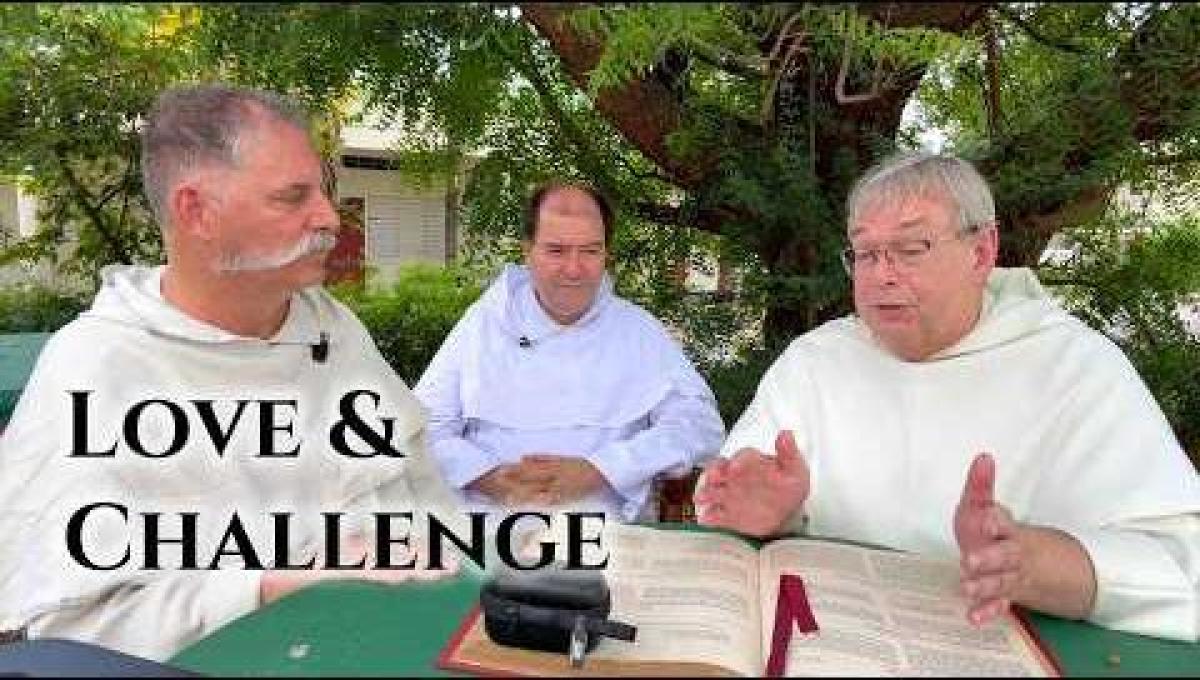
Ezekiel's "watchman" prophecy, the delicate balance between fraternal correction and unconditional love, and Jesus' teaching on confronting sin within the Christian community.
How did Jesus respond to the violent death of John the Baptist? Not with revenge, fear, or hatred, but with love and compassion.
Choose love over fear, especially in our political discourse.
For 24 August 2026, Feast of Saint Bartholomew, Apostle, based on John 1:45-51, sent in from Rustic, Colorado, USA.